Arc Flash Safety: Complete Guide to FR and Arc-Rated PPE for Electrical Work
A complete guide to arc flash safety, FR clothing, arc-rated PPE, electrical workwear, ATPV ratings, IEC 61482, NFPA 70E, EN ISO 11612 and AS/NZS 4836.
Arc Flash Safety: Complete Guide to FR and Arc-Rated PPE for Electrical Work
Arc flash safety is one of the most important topics in industrial electrical work, maintenance, manufacturing, construction, utilities, mining, warehousing, oil and gas, facility management and infrastructure projects. Electrical workers often work near switchboards, control panels, distribution boards, transformers, motor control centres, generators, electrical cabinets and low-voltage installations. These areas may look routine from the outside, but the energy inside electrical equipment can become extremely dangerous when a fault occurs.
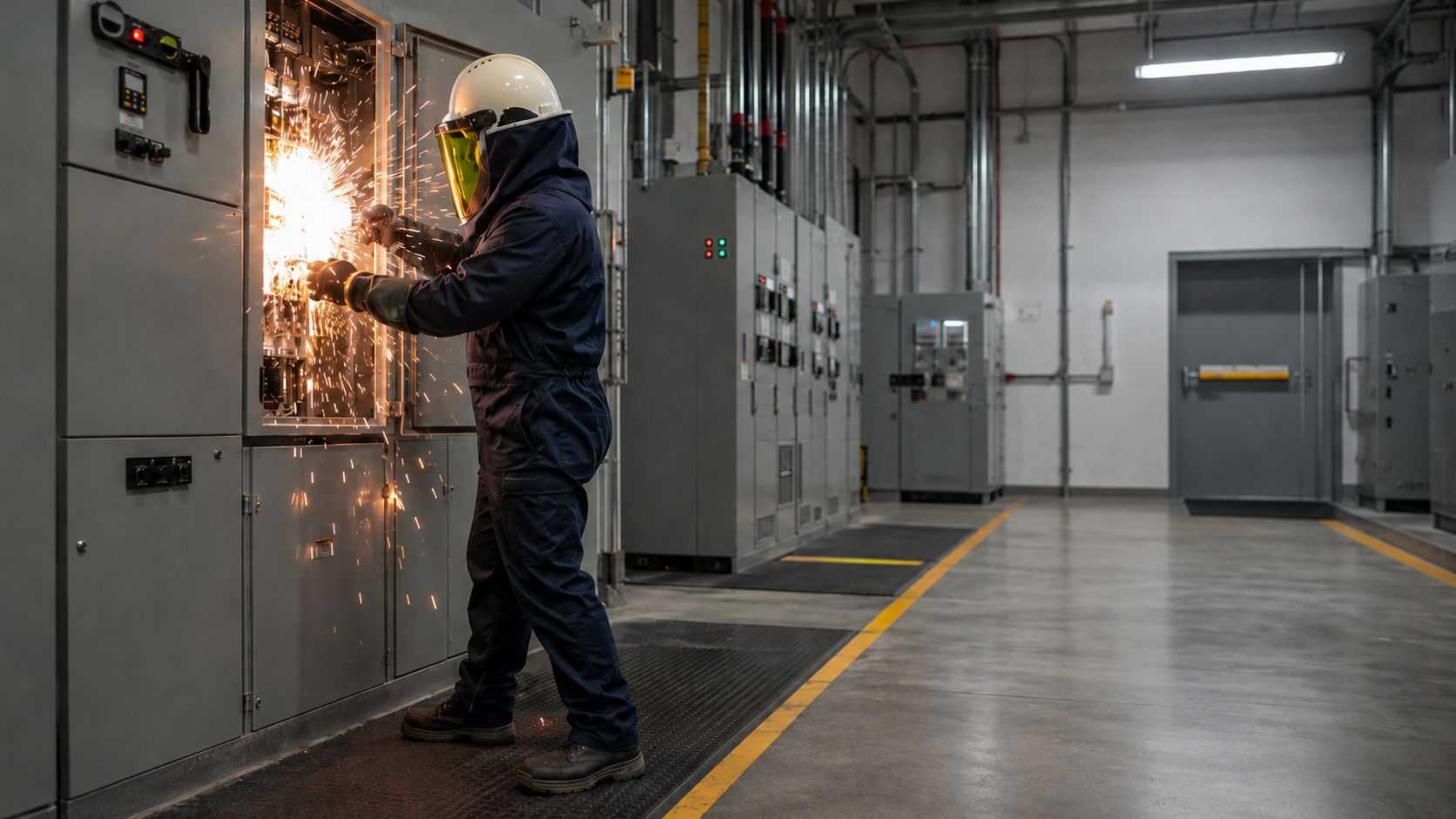
An arc flash event can release intense heat, bright light, pressure, sound, molten metal, hot gases and flying particles in a very short time. A worker may have no time to move away. The result can include severe burns, eye injuries, hearing damage, impact injuries and secondary injuries caused by falling or being thrown backward. This is why arc flash protection should never be treated as a normal uniform purchase. It is a serious workplace safety decision that must be connected with risk assessment, electrical safety procedures, competent workers and correctly selected personal protective equipment.
This guide is written for safety managers, electrical contractors, procurement teams, industrial buyers, facility managers, warehouse operators, construction companies and workwear buyers who want a practical understanding of arc flash PPE. It explains the difference between flame resistant clothing and arc-rated PPE, why ATPV and cal/cm2 ratings matter, which safety standards are commonly referenced, and what buyers should check before ordering FR workwear for electrical teams.
Triotex and PPE CART support businesses that need practical, reliable and professional PPE solutions. The aim is not only to supply products, but also to help businesses ask better questions before choosing protective workwear for real workplace hazards.
What Is Arc Flash?
An arc flash is a sudden release of electrical energy through the air. It can happen when electric current travels between conductors, or between a conductor and earth. This may occur because of equipment failure, insulation breakdown, dust, moisture, corrosion, loose connections, incorrect tools, dropped objects, poor maintenance, accidental contact or work being carried out near energised electrical parts.
The danger is not only electric shock. Arc flash creates a thermal and pressure hazard. A worker may not directly touch the conductor, but they can still be exposed to extreme heat, flame-like energy, molten metal, pressure waves, light and sound. The energy can damage skin, eyes, hearing and lungs. It can also damage the electrical installation and surrounding equipment.
Arc flash hazards are often associated with switchgear, distribution boards, low-voltage and high-voltage panels, substations, generators, control rooms and industrial electrical systems. However, the risk is not limited to large industrial plants. Any workplace that operates, maintains, tests or repairs electrical equipment should take electrical safety seriously.
Why Arc Flash Safety Matters
Electrical incidents can be severe because they happen quickly and unexpectedly. A worker may be performing a common task such as testing, switching, inspecting, fault finding, racking, maintenance or opening a panel. If a fault occurs, the energy release can be immediate. There may be no warning and no time to react.
For workers, the consequences can be life changing. Burns from arc flash can require long medical treatment and recovery. Eye injuries can affect vision. Hearing damage can be permanent. The psychological impact after a serious electrical incident can also be significant.
For businesses, an arc flash incident can cause production downtime, equipment replacement cost, investigation, insurance claims, legal exposure, loss of skilled workers and reputation damage. A single incident can affect the entire operation. This is why electrical safety and arc flash PPE selection should be planned carefully before work begins.
A strong approach includes hazard identification, risk assessment, de-energising where possible, lockout and tagout, testing before touching, safe work procedures, competent workers, supervision, suitable tools and arc-rated PPE where required.
FR Clothing and Arc-Rated PPE Are Not the Same
One of the biggest mistakes in PPE selection is assuming that all flame resistant clothing is suitable for arc flash hazards. FR clothing and arc-rated PPE are related, but they are not the same.
What Is FR Clothing?
FR means flame resistant. FR clothing is designed to resist ignition, reduce flame spread and self-extinguish when the ignition source is removed. It is used in industries where workers may face heat, flame, welding sparks, flash fire, molten metal splash or other thermal exposure.
FR garments may be made from treated cotton, inherent FR fibres, modacrylic blends, aramid fibres, FR viscose blends or other specialist materials. The correct choice depends on the hazard, climate, comfort level, wash care, durability, certification requirement and budget.
What Is Arc-Rated PPE?
Arc-rated PPE is tested for protection against the thermal effects of an electric arc. The rating is commonly shown in calories per square centimetre, written as cal/cm2. This rating helps indicate the level of protection the fabric or garment provides under defined test conditions.
Arc-rated clothing is normally flame resistant, but not every FR garment is arc-rated. For electrical work, buyers should not rely only on the word FR. They should confirm the arc rating, test standard, documentation, garment label and suitability for the task.
Simple Buying Rule
If the hazard is general heat or flame, FR clothing may be required. If the hazard includes electric arc exposure, arc-rated PPE should be selected according to the site risk assessment. Procurement teams should not buy only by colour, price, fabric weight or availability. The standard, rating, garment design, coverage, trims, reflective tape and care instructions all matter.
Understanding ATPV and Cal/cm2
ATPV stands for Arc Thermal Performance Value. It is one way to express the protective performance of arc-rated fabric or clothing. The value is normally shown as cal/cm2. In simple terms, it helps indicate how much thermal energy the material can protect against under defined test conditions.
A higher arc rating does not automatically mean the garment is the best choice for every task. Heavy garments may provide higher protection, but they can also increase heat stress and reduce comfort. The goal is to match the PPE to the assessed hazard. Over-protection can reduce comfort and compliance, while under-protection can expose the worker to serious injury.
Safety teams should use the arc flash risk assessment to determine the required protection level. Procurement should then source garments that meet that requirement and can be worn properly during real work conditions.
Key Standards Commonly Referenced for Arc Flash PPE
PPE standards help buyers understand what a product is designed and tested to do. The exact standard requirement can vary by country, client, industry and site policy. The following standards are commonly discussed when selecting FR clothing and arc-rated PPE.
IEC 61482 and EN IEC 61482
IEC 61482 is one of the key standard families for protective clothing against the thermal hazards of an electric arc. Buyers may see references such as IEC 61482-1-1, IEC 61482-1-2, IEC 61482-2 or EN IEC 61482-2. These references relate to test methods and performance requirements for materials and garments used by electrical workers where electric arc thermal hazards may exist.
For practical buying, the important point is simple. If the garment is intended for arc flash protection, ask whether it has been tested for electric arc thermal protection and what arc rating or class is declared.
NFPA 70E
NFPA 70E is widely referenced for electrical safety in the workplace. It is often used when discussing electrical safe work practices, arc flash risk assessment, approach boundaries, task planning and PPE selection. Many multinational companies and industrial sites refer to NFPA 70E language when building electrical safety procedures.
The key lesson for procurement teams is that PPE selection should be connected to the task and the hazard. The condition of equipment, type of work, energy level, work distance and exposure all matter. PPE should not be guessed.
EN ISO 11612
EN ISO 11612 is used for protective clothing against heat and flame. Many FR coveralls, jackets, trousers and shirts used in industrial environments are tested to this standard. It may include performance against limited flame spread, convective heat, radiant heat, contact heat and molten metal splash, depending on the garment and test results.
However, EN ISO 11612 alone should not be treated as proof of arc flash protection. If electric arc is a risk, the buyer should also check arc flash testing and arc rating.
AS/NZS 4836
For Australian and New Zealand workplaces, AS/NZS 4836 is an important reference for safe work on or near low-voltage and extra-low-voltage electrical installations and equipment. Australian workplaces should also consider WHS requirements, electrical safety regulations, codes of practice, client rules and site-specific procedures.
For buyers in Australia, this means PPE selection should not be copied blindly from overseas specifications. It should be reviewed against local requirements, the actual work environment and the tasks performed by workers.
PPE Is the Last Line of Defence
Arc-rated PPE is essential, but it is not the first control. A strong electrical safety system starts with the hierarchy of controls. The safest approach is to eliminate the hazard wherever reasonably practicable. In electrical work, this often means de-energising the equipment before work begins.
Work should be planned so that equipment can be isolated, locked out, tagged out and tested before touching. A competent person should verify that equipment is de-energised. Workers should never assume that a circuit is dead simply because a switch is off or a panel appears inactive.
If work near energised electrical equipment is necessary, the task should be properly justified, authorised and controlled. The business should confirm who is competent to do the work, what procedure applies, what tools are required, what barriers are needed, what emergency arrangements exist and which PPE is suitable.
PPE becomes the final protective layer when risk remains. It can reduce injury severity, but it does not remove the electrical hazard. A worker should never be placed in a dangerous situation only because PPE is available.
What Should an Arc Flash PPE System Include?
Arc flash PPE is not just one coverall. Depending on the risk assessment, a complete PPE system may include clothing, head protection, face protection, hand protection, footwear, hearing protection and other equipment.
Arc-Rated Shirt and Trouser or Coverall
The base clothing layer is usually an arc-rated shirt and trouser combination or an arc-rated coverall. Coveralls are common in industrial environments because they provide continuous body coverage. Shirts and trousers may offer better flexibility and comfort, especially in hot climates.
Important buying checks include arc rating, fabric type, garment design, closure system, sleeve and cuff coverage, collar design, seam strength, fit, reflective tape suitability and wash care. The garment should be worn fully closed. Open zippers, rolled sleeves and exposed base layers can reduce protection.
Arc Flash Suit or Layering System
Some tasks may require protection higher than a single garment can provide. In these cases, workers may need an arc flash suit, switching coat, bib overall, hood or tested layering system. Layering should be based on tested performance. Randomly combining FR garments does not automatically create a reliable arc rating.
Face Shield, Hood and Head Protection
The face, neck and head are highly exposed during an arc flash event. Depending on the assessed hazard, workers may need an arc-rated face shield, balaclava, hood or helmet-mounted protection. A normal face shield used for impact or chemical splash may not be suitable unless it is specifically rated for arc flash use.
Gloves
Hand protection may include voltage-rated insulating gloves, leather protectors, arc-rated gloves or mechanical protection gloves. The correct glove depends on the task and hazard. Electrical shock, thermal exposure, cut risk, abrasion, oil grip and dexterity should all be considered.
Safety Footwear
Electrical workers also need suitable safety footwear. Footwear should be selected based on electrical risk, site requirements, slip resistance, impact protection, comfort and durability. Workers often spend long hours standing, climbing or walking across industrial surfaces, so comfort is also a safety factor.
Eye and Hearing Protection
Arc flash events can create bright light, flying particles and high noise. Eye and hearing protection may be required as part of the PPE system. The important point is compatibility. Helmets, hoods, face shields, glasses, hearing protection and respiratory protection should work together without leaving gaps or creating discomfort.
Arc Flash PPE and Hi-Vis Workwear
Many Australian worksites require high visibility workwear. This can create added complexity for electrical workers. A standard hi-vis shirt may be suitable for visibility, but not for arc flash. A standard FR coverall may be flame resistant, but may not meet the visibility requirements of the site.
When workers need both visibility and arc protection, the garment should be designed with suitable materials, FR reflective tape and compliant trims. The hi-vis requirement and arc flash requirement should be specified together, not treated separately.
This is especially relevant for utilities, rail, construction, infrastructure, road work, mining, manufacturing and maintenance teams where workers may face both moving plant and electrical hazards.
Common Mistakes When Buying Arc Flash PPE
Many PPE problems begin during the buying process. The garment may look professional, but if the specification is weak, the product may not match the hazard.
Mistake 1: Buying FR Clothing Without Arc Rating
A garment may be flame resistant but not arc-rated. If the risk includes electrical arc flash, ask for the arc rating, test standard, label details, certificate and care instructions. The word FR alone is not enough.
Mistake 2: Using Polyester-Rich Workwear Near Arc Flash Hazards
Some synthetic fabrics can melt under high heat. Melted fabric can worsen burn injuries. Workers exposed to electrical thermal hazards should avoid unsuitable synthetic clothing unless it forms part of a tested protective system.
Mistake 3: Ignoring Reflective Tape and Trims
Many worksites require hi-vis garments. However, reflective tape, zippers, labels, thread, hook and loop fasteners and other trims must be suitable for the protective purpose of the garment. Standard reflective tape may not be appropriate for FR or arc-rated clothing.
Mistake 4: Ignoring Fit and Comfort
PPE that is too heavy, hot, stiff or poorly fitted may not be worn correctly. Comfort affects compliance. Workers are more likely to wear PPE properly when it fits well, allows movement and suits the climate.
Mistake 5: Treating PPE as a Replacement for Safe Work Practices
PPE does not replace isolation, testing, lockout, training, permits and supervision. It is the final layer of defence. A strong electrical safety culture does not rely on PPE alone.
How to Select Arc-Rated Workwear
A structured selection process helps safety and procurement teams avoid confusion. The following steps can be used before ordering arc-rated PPE.
Step 1: Identify the Work Tasks
List the tasks workers perform. These may include switching, inspection, testing, fault finding, maintenance, racking, installation, emergency response or work near exposed electrical parts. Different tasks may require different PPE levels.
Step 2: Complete the Risk Assessment
The PPE requirement should come from a competent risk assessment. This should consider equipment type, available fault current, clearing time, working distance, equipment condition, work method and whether the equipment can be de-energised.
Step 3: Define the Required Rating and Standard
A purchase request should not simply say “FR coverall required”. A stronger specification includes garment type, arc rating, standard, fabric type, colour, reflective tape requirement, closure style, size range, certification requirement and documentation requirement.
Step 4: Check Documentation
Ask the supplier for test reports, declarations, product data sheets, garment labels and care instructions. A reliable PPE supplier should be able to explain what the garment is tested for and what it is not designed to protect against.
Step 5: Check Fit and Worker Acceptance
Workers need to bend, climb, crouch, reach, lift and use tools while wearing PPE. The garment should allow movement without exposing skin. Poor fit can create gaps, discomfort and lower compliance.
Step 6: Train Workers on Correct Use
Workers should know how to inspect the garment, wear it correctly, close fasteners, avoid contamination, wash it properly and remove damaged PPE from service. Even the best garment can fail if it is worn incorrectly.
Care and Maintenance of Arc-Rated PPE
Arc-rated PPE must be cared for correctly. Dirt, oil, grease, chemicals, incorrect laundering, bleach, fabric softener, unauthorised repairs and garment modification can affect performance. Workers should follow the care label and the company PPE procedure.
Good care practices include:
- Inspect garments before use.
- Remove damaged garments from service.
- Wash according to the manufacturer’s instructions.
- Avoid bleach unless the care label specifically allows it.
- Do not apply unknown chemical treatments.
- Do not cut, shorten or alter sleeves, collars, cuffs or closures.
- Check reflective tape condition regularly.
- Keep garments clean and dry.
- Replace garments that are torn, contaminated, thin, faded or no longer serviceable.
Questions to Ask Before Ordering Arc Flash PPE
Procurement teams should ask clear questions before placing an order. This reduces the risk of buying PPE that looks correct but does not match the real workplace hazard.
- What electrical tasks will the PPE be used for?
- Has an arc flash risk assessment been completed?
- What arc rating or PPE category is required?
- Which standard must the garment meet?
- Is the garment arc-rated or only flame resistant?
- Is FR reflective tape required?
- Is hi-vis compliance required?
- Is the garment suitable for hot weather or long shifts?
- Are all worker sizes available?
- Is documentation available?
- What are the wash care requirements?
- Are logos, embroidery or heat transfers allowed?
- Does the PPE system include head, face, hand and body protection?
How Triotex and PPE CART Can Help
Triotex focuses on industrial workwear, FR clothing, coveralls, hi-vis garments, uniforms and safety apparel solutions for businesses that need practical protective clothing. PPE CART supports Australian buyers with access to PPE, workwear, safety products and workplace supply solutions.
Together, Triotex and PPE CART help businesses think beyond basic workwear. The aim is to help customers understand the hazard, define the requirement and source PPE that is suitable for the work environment. For arc flash and electrical safety clothing, this means asking the right questions about standards, arc ratings, fabric performance, garment design, comfort, visibility and documentation.
Whether your team needs FR coveralls, arc-rated clothing, hi-vis FR shirts, gloves, helmets, face protection, safety footwear or broader workplace PPE, the buying process should always begin with risk and compliance, not only with price.
Final Thoughts
Arc flash protection starts before the PPE is worn. It begins with safe work planning, competent electrical workers, isolation where possible, testing before touching, risk assessment and clear procedures. PPE is the final layer of defence when risk remains.
For electrical workers, the correct FR and arc-rated PPE can reduce injury severity during an arc flash event. For procurement teams, the correct specification can prevent costly mistakes. For business owners, investing in proper electrical PPE shows that worker safety is a priority.
The key principle is simple: match the PPE to the hazard, match the standard to the task, and make sure the worker can wear the PPE correctly every time.
Need help selecting industrial workwear or PPE? Triotex and PPE CART can support businesses with FR workwear, arc-rated clothing guidance, hi-vis safety garments and practical PPE supply solutions for safer workplaces.
Disclaimer: This blog is general information only. PPE selection should always be based on a site-specific risk assessment, competent advice, applicable legislation and relevant standards before purchase or use.