The Future of Technical Workwear and Smart Industrial Apparel
A Triotex and PPE CART look at the future of technical workwear, including smarter fabrics, ergonomic design, sustainability, traceability, and better PPE integration.
Technical Workwear Is Moving Beyond Basic Uniforms
Industrial workwear has changed dramatically. In the past, many companies treated uniforms as a basic clothing purchase. Today, buyers expect garments to support safety, comfort, productivity, brand identity, sustainability, and supply-chain control. Workers also expect better fit and comfort because they wear these garments for long shifts in demanding conditions.
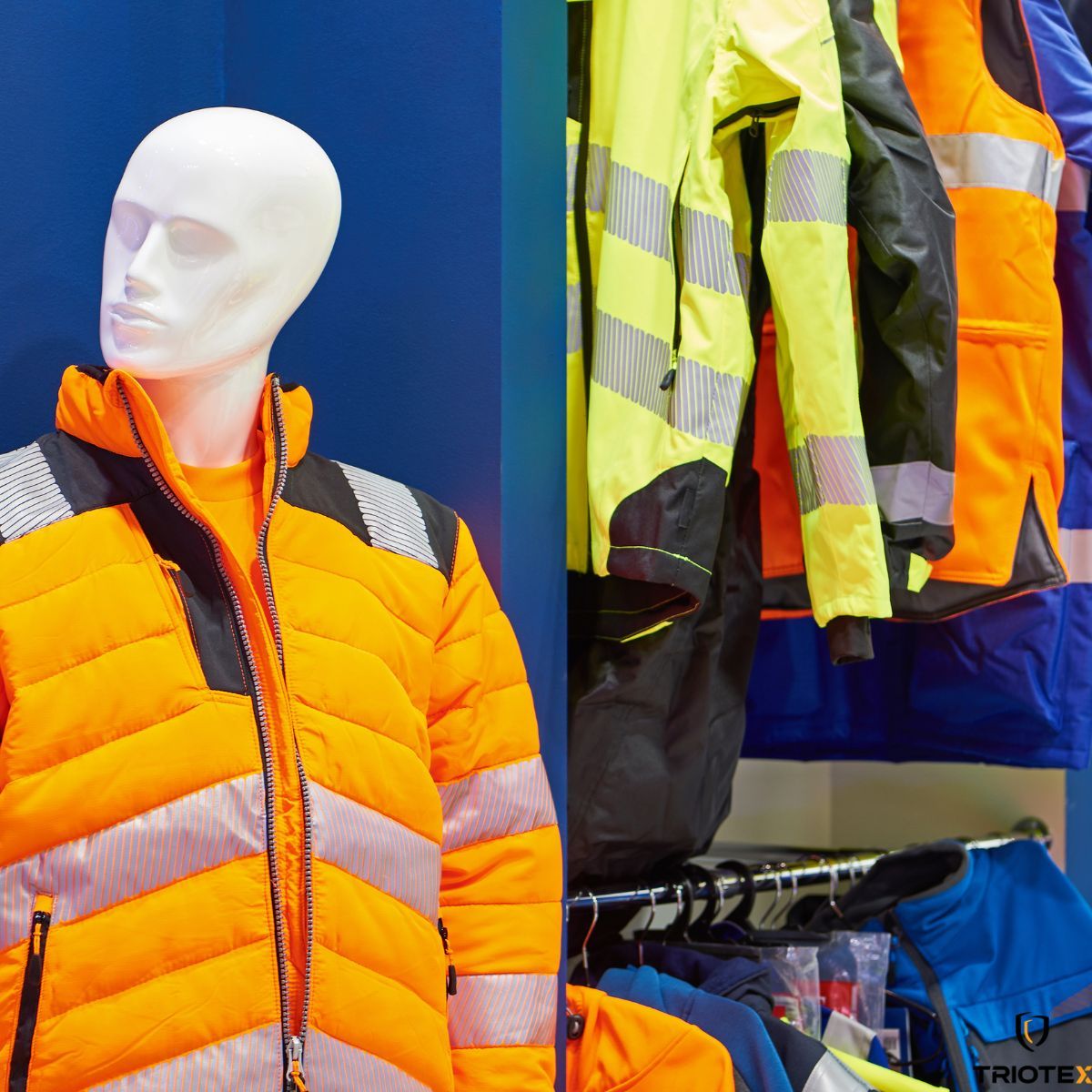
Technical workwear sits between apparel engineering and safety equipment. It includes FR garments, hi-vis clothing, anti-static workwear, rainwear, winter workwear, medical uniforms, performance shirts, industrial trousers, coveralls, and specialized PPE-compatible garments. The future of this category will not be defined by one invention. It will be shaped by better fabrics, smarter design, stronger data, and closer integration between clothing and PPE.
Triotex and PPE CART are both relevant to this shift. Triotex focuses on manufacturing, product development, customization, and repeatable workwear programs. PPE CART brings the practical safety-product view, where a garment is part of a wider kit that may include footwear, gloves, eye protection, helmets, hearing protection, and rain protection.
Smarter Fabrics and Performance Finishes
The first major change is happening at the fabric level. Buyers are looking for fabrics that are lighter, stronger, more breathable, more durable, and easier to maintain. Workwear fabrics are being developed with moisture management, stretch, stain resistance, oil repellency, water repellency, antimicrobial finishes, and improved abrasion resistance.
For technical safety garments, the fabric must also support the required protective function. FR fabrics must maintain protective performance through expected use and washing. Hi-vis fabrics must support visibility and color performance. Rainwear fabrics must manage water resistance and breathability. Winter garments must balance insulation and movement. The challenge is to improve comfort without weakening the garment's intended purpose.
Ergonomic Design Will Matter More
Workers do not stand still like mannequins. They bend, climb, sit, kneel, reach, lift, drive, and work in awkward positions. Future workwear will put more attention on movement. Pattern engineering, stretch panels, articulated knees, action backs, gussets, adjustable cuffs, ventilation, and better size grading will become more common.
This is especially important for companies trying to improve compliance. If the garment is comfortable and practical, workers are more likely to wear it correctly. If it is stiff, hot, heavy, or badly fitted, users will find ways around it. Comfort is not only a nice feature. It is part of making safety clothing usable.
Smart Apparel and Digital Identification
Smart workwear can mean many things. In some cases, it refers to garments with sensors or connected technology. In other cases, it simply means better data around the garment: QR codes, digital product records, batch tracking, care instructions, size history, inspection records, or reorder references. For many industrial buyers, this second version may be adopted faster because it solves immediate procurement and compliance problems.
Digital identification can help companies track what product was supplied, which standard or specification it was built to, when it was produced, and how it should be cared for. For distributors and white-label brands, this can improve repeat orders and reduce mistakes. For customers, it can make garment programs easier to manage across locations.
Sustainability Will Become a Practical Requirement
Sustainability in workwear is not only about using recycled material. It is also about making garments last longer, reducing waste from poor sizing, improving repairability where suitable, avoiding unnecessary packaging, planning production more accurately, and choosing materials responsibly. A cheap garment that fails quickly can create more waste and higher long-term cost.
Future buyers will likely ask more questions about fabric origin, production efficiency, packaging, chemical management, durability, and end-of-life options. Manufacturers will need to respond with better documentation and more transparent product development. Triotex's manufacturing role is important because sustainability decisions begin long before the garment reaches the customer.
Workwear and PPE Will Be Planned Together
One of the biggest opportunities is better integration between workwear and PPE. A worker's clothing must function with helmets, gloves, goggles, harnesses, safety shoes, ear protection, masks, and rain gear. Poor planning can create discomfort or safety gaps. For example, a jacket collar may interfere with a helmet or face protection. A glove may not work well with cuff design. A trouser hem may not sit correctly over safety boots.
PPE CART's role is useful here because it looks at the complete safety category, not just garments. A proper industrial safety program should consider how clothing and PPE work together on the body. Triotex can then use that insight to support better garment design, pocket placement, fit, and compatibility.
Customization and Smaller Market Segments
Markets are becoming more segmented. One company may need FR hi-vis coveralls for oil and gas. Another may need medical scrubs for healthcare staff. Another may need smart-looking executive uniforms for facility teams. Another may need rugged workwear for workshops. Technical workwear will keep moving away from one-size-fits-all catalogue thinking.
White-label and custom manufacturing will become more important for distributors and regional brands. They will want product ranges that reflect their own customer base, price position, climate, compliance requirements, and brand identity. Triotex can support that manufacturing journey, while PPE CART can help identify practical category gaps and buyer demand.
Quality, Traceability, and Repeat Orders
As garments become more technical, repeatability becomes more valuable. Buyers need confidence that the second order will match the first. Fabric shade, GSM, measurements, tape placement, labels, packaging, and trims must remain controlled. Traceability helps maintain that consistency.
Technical data sheets, approved samples, digital records, inspection reports, and production references all support better repeat orders. For safety products, this documentation also helps buyers respond to audits and customer questions. The future of workwear will reward suppliers who can combine good product design with organized information.
What Buyers Should Prepare For
- More demand for lighter and more comfortable technical fabrics.
- Greater focus on ergonomic fit and worker movement.
- Better digital records for specifications, care, and repeat orders.
- More integration between workwear and PPE categories.
- Stronger sustainability expectations from customers and tenders.
- More private-label and customized product programs.
Conclusion
The future of technical workwear will be practical, not futuristic for the sake of it. The winning products will make workers safer, more comfortable, and easier to equip. They will also help buyers manage compliance, stock, branding, and repeat supply with less confusion.
Triotex and PPE CART are well placed for this direction because the market needs both strong manufacturing and clear PPE category thinking. Triotex supports the product development and production side. PPE CART supports the buying and safety-product side. Together, they can help customers move from basic uniforms to better workwear and PPE programs.