Understanding Hi-Vis Clothing Standards in Australia
A practical Triotex and PPE CART guide to Australian hi-vis workwear, covering garment selection, visibility standards, reflective materials, comfort, and buying checks.
Why Hi-Vis Workwear Matters
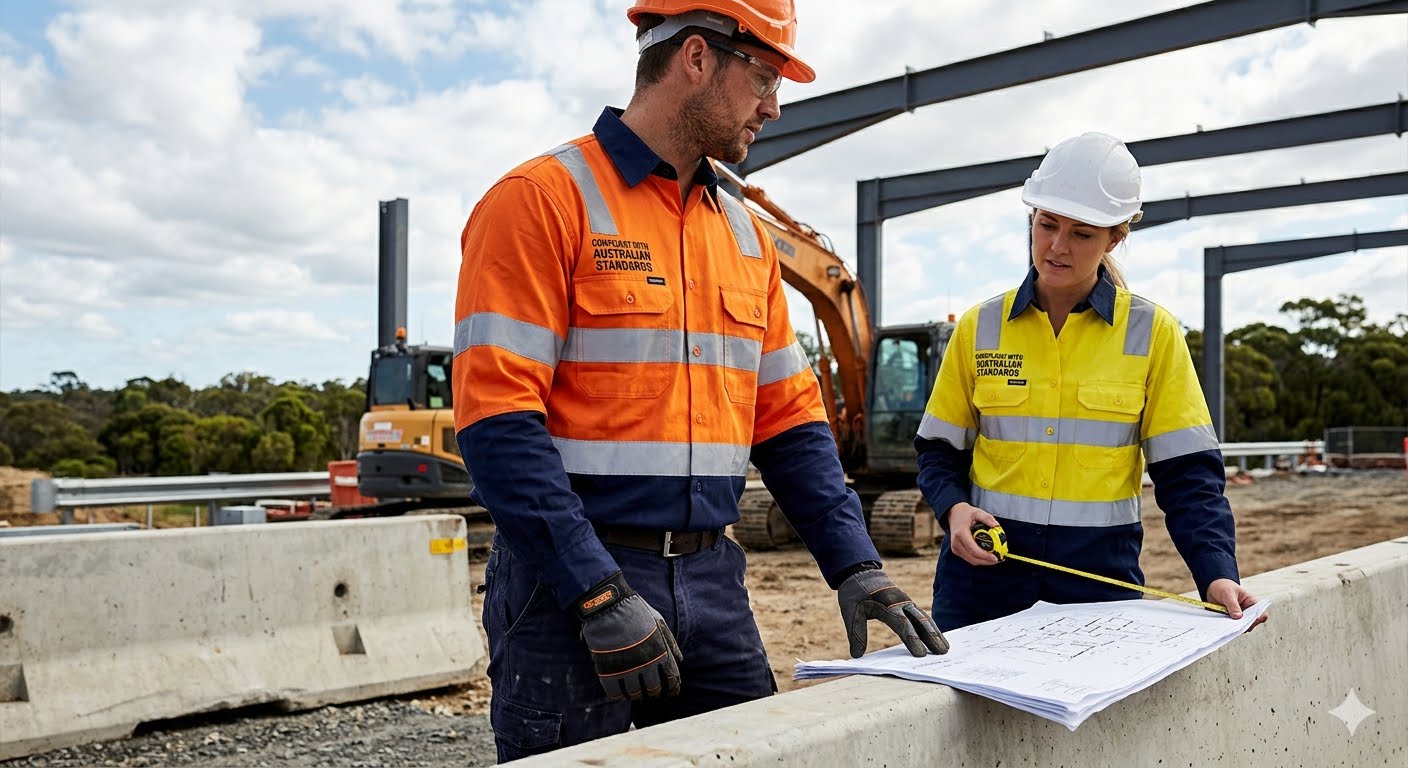
High-visibility clothing is used wherever workers need to be seen quickly and clearly. Construction sites, roadwork zones, warehouses, transport yards, mining areas, ports, utilities, and infrastructure projects all depend on visibility as part of daily safety. A hi-vis shirt, vest, jacket, coverall, or trouser is not just a bright garment. It is a controlled safety product where color, reflective material, garment coverage, placement, durability, and wearer comfort all matter.
For Triotex and PPE CART, hi-vis workwear sits at the point where garment manufacturing and practical PPE buying meet. Triotex focuses on how the garment is designed, stitched, branded, packed, and produced consistently. PPE CART looks at how the buyer selects the right type of hi-vis workwear for the job, the climate, and the rest of the worker's PPE kit.
Current Australian Standards to Check
Australian hi-vis requirements should always be checked against the latest customer specification, local regulation, and current standards catalogue. Buyers commonly see references to high-visibility garment standards and reflective material standards. Current Australian catalogue entries include AS 4602.1:2024 for high visibility safety garments for high risk applications, and AS/NZS 1906.4:2023 for high-visibility materials used in safety garments. Older tender documents may still mention earlier editions, so procurement teams should confirm what the project, client, or regulator requires before placing bulk orders.
The important point is not to treat hi-vis as a color choice. A fluorescent yellow, orange, or red fabric may look bright in a sample room, but the garment still needs the correct design area, reflective material, tape placement, performance after washing, and suitability for the environment. The standard helps define those expectations so that garment visibility is not left to guesswork.
Day, Night, and Day-Night Use
Hi-vis garments are normally selected according to when and where they will be worn. Day-use garments rely heavily on fluorescent background fabric that stands out in daylight. Night-use garments depend on retroreflective material that returns light toward the source, such as vehicle headlights or site lighting. Day-night garments combine fluorescent material and reflective tape so the worker remains visible across changing conditions.
This distinction is critical for buyers. A bright polo shirt may be suitable for some daytime environments but may not be enough for night roadwork. A reflective vest may help in low light but may not provide enough fluorescent coverage for daytime high-risk work. Workers moving between indoor, outdoor, daylight, and low-light tasks may need a day-night garment or a layered system.
Reflective Tape and Material Quality
Reflective tape is one of the most visible parts of hi-vis clothing, but it is also one of the areas where buyers should be careful. The tape should be suitable for the intended garment, washing process, and application. It should be applied cleanly, positioned correctly, and able to stay attached through normal use. Poor tape application can lead to peeling, cracking, discomfort, and early garment failure.
Material quality also matters. The fluorescent fabric should maintain color and visibility through expected washing and exposure. If the garment will be used outdoors, buyers should consider sun exposure, sweat, dust, rain, oil, and abrasion. For industrial buyers, the cheapest hi-vis garment can become expensive if it fades quickly, shrinks badly, or fails during inspection.
Comfort Drives Real Compliance
Workers are more likely to wear hi-vis garments correctly when the garment is comfortable. In hot Australian conditions, fabric weight, breathability, ventilation, moisture management, and fit are important. A shirt that traps heat may encourage workers to remove it, roll sleeves, or layer incorrectly. In colder conditions, hi-vis jackets and winter layers should maintain visibility while still allowing movement.
Fit should also be practical. A garment that is too tight restricts work movement, while one that is too loose can catch on equipment. For teams with mixed job roles, buyers may need polos, shirts, vests, jackets, trousers, and coveralls rather than one garment for everyone. PPE CART's buying view helps map garment type to role, while Triotex's production view helps keep sizing and construction consistent.
Choosing the Right Garment Type
Hi-vis vests are useful when visibility needs to be added over existing clothing, but they may not be ideal for every industrial task. Hi-vis shirts and polos are suitable for daily uniforms where comfort and brand appearance matter. Hi-vis jackets support wet, cold, or windy conditions. Hi-vis trousers or coveralls may be required when upper-body visibility alone is not enough. Some jobs also need FR hi-vis garments where flame resistance and visibility must be combined.
Before ordering, buyers should ask a few practical questions. Will the garment be worn in daylight, night, or both? Will it be washed at home or through an industrial laundry? Is FR, anti-static, rain protection, or winter insulation also required? Does the customer need logo branding? Will the garment be used with harnesses, gloves, helmets, or tool belts? The answers shape the garment design.
Branding and Custom Manufacturing
Many companies want hi-vis clothing to represent the brand as well as protect the worker. Logos, embroidery, heat transfers, trims, labels, and color blocking can all be part of the garment plan. However, branding should not reduce the visible area or interfere with reflective tape. Buyers should review artwork placement before production, especially for large logos, back prints, or contrast panels.
Triotex can support custom manufacturing and white-label workwear programs where buyers need consistent design, sizing, labels, packaging, and repeat orders. PPE CART can support category selection by helping buyers understand whether the team needs vests, polos, jackets, trousers, rainwear, or a complete PPE bundle.
Procurement Checklist
- Confirm the current standard and customer specification before purchase.
- Choose day, night, or day-night visibility based on the real work environment.
- Check fabric color, reflective tape, placement, and wash durability.
- Match garment type to job role, climate, and other PPE.
- Review sizing, comfort, and movement before bulk production.
- Make sure branding does not compromise visibility.
- Keep specifications and approved samples for future repeat orders.
Conclusion
Hi-vis workwear should be treated as a practical safety system, not a simple uniform color. The right garment helps workers stay visible, comfortable, and compliant across daily conditions. The wrong garment may pass a quick visual check but fail in use because of poor fabric, weak tape, bad fit, or the wrong class of visibility.
Triotex and PPE CART help buyers connect both sides of the decision: the technical garment side and the practical buying side. For Australian hi-vis programs, confirm the current standard, define the use case, test samples properly, and choose garments that workers can wear correctly every day.